
What's The Current Job Market For Ramps Professionals Like?
페이지 정보

본문
Understanding Wheelchair Ramps: Enhancing Accessibility and Independence
Wheelchair ramps are important for people with mobility obstacles, offering safe and simple access to various environments. They serve a vital function in boosting self-reliance and guaranteeing compliance with laws targeted at enhancing ease of access. This post delves into the different types of wheelchair Ramps (Www.Nicolasmanokey.Top), their construction, use guidelines, and important factors to consider to keep in mind when picking or setting up a ramp.
What is a Wheelchair Ramp?
A wheelchair ramp is a sloped surface linking two different levels, permitting people using wheelchairs, scooters, or crutches to navigate barriers such as stairs. Ramps can be found in both residential and public areas, including homes, schools, workplaces, and hospitals. They can be irreversible setups or portable, depending on the user's needs and the environment.
Kinds Of Wheelchair Ramps
Comprehending the kinds of ramps offered can assist you pick the ideal one for your requirements:
| Ramp Type | Description | Ideal For |
|---|---|---|
| Irreversible Ramps | built from materials like concrete, wood, or metal; developed for long-term use. | Homes and commercial structures. |
| Portable Ramps | lightweight and often foldable; made from aluminum or plastic for easy transportation. | Occasions and temporary access. |
| Limit Ramps | small ramps designed to bridge the space at entrances or irregular surface areas. | Homes and retail places. |
| Modular Ramps | customizable systems made of premade parts; can be adjusted for specific areas. | Versatile access services. |
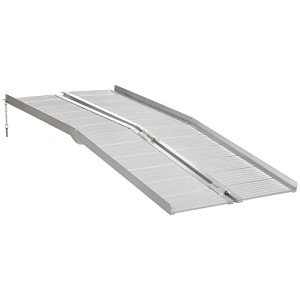
| Foldable Ramps | compact ramps that can be folded in half for transportation, appropriate for lorries. | Users on the go. |
Aspects to Consider When Selecting Wheelchair Ramps
- Usage Frequency: Determine whether the ramp will be utilized daily, occasionally, or just for particular occasions.
- Place: Assess where the ramp will be installed, thinking about the slope, length, and space readily available.
- Weight Capacity: Ensure the ramp can support the weight of the wheelchair and the user securely.
- Product: Different products offer various benefits like durability and weather resistance. Consider what will suit your environment best.
- Slope Ratio: Follow advised slope ratios to ensure safety and ease of use. The Americans with Disabilities Act (ADA) suggests a 1:12 slope ratio for public access ramps.
Wheelchair Ramp Specifications
When building a wheelchair ramp, certain specifications are vital in taking full advantage of security and energy. The following table describes suggested requirements based upon the ADA standards.
| Function | Recommendation |
|---|---|
| Slope Ratio | 1:12 for public ramps; steeper slopes may be utilized for brief ramps. |
| Width | Minimum of 36 inches for wheelchair access. |
| Landing Size | Minimum of 5 feet by 5 feet for landings when turning. |
| Surface area Material | Should be steady, company, and slip-resistant. |
| Side Guards | Required on ramps with a height of more than 6 inches. |
Advantages of Wheelchair Ramps
Wheelchair ramps provide numerous benefits, including:
- Independence: Ramps allow users with mobility disabilities to navigate areas without support.
- Security: Properly developed ramps reduce the threat of falls and injuries.
- Legal Compliance: Installing wheelchair ramps can help ensure compliance with policies like the ADA, promoting inclusion.
- Boosted Mobility: Ramps add to overall availability in both public and private sectors, enabling users to take part in different activities.
FAQs About Wheelchair Ramps
1. How do I determine the right length for a wheelchair ramp?
To determine the length of a wheelchair ramp, measure the height from the ground to the entry point (door or platform). Multiply this height by 12 to get the minimum ramp length based on the ADA's 1:12 slope ratio. For instance, if the increase is 2 feet, you will need a ramp that is at least 24 feet long.
2. Are there any laws controling wheelchair ramps?
Yes, numerous nations have laws controling the ease of access of public and private areas, with the ADA being the most noteworthy in the United States. The ADA describes particular criteria for the design and installation of wheelchair ramps to ensure they are safe and available for all.
3. Can I construct a wheelchair ramp on my own?
It is possible to build a wheelchair ramp individually; however, it is recommended to consult regional building regulations and availability standards. Using professional services can guarantee compliance and safety.
4. What products are best for constructing a wheelchair ramp?
Typical products include wood, aluminum, and concrete. Each material has its advantages and disadvantages regarding toughness, weight, upkeep, and expense. Aluminum ramps are especially popular for their lightweight nature and resistance to rust.
5. Just how much does it cost to set up a wheelchair ramp?
The cost of installing a wheelchair ramp can vary considerably based on materials, length, and intricacy of installation. Portable ramps may cost in between ₤ 200 and ₤ 600, while irreversible setups might vary from ₤ 1,000 to ₤ 5,000 or more.
Wheelchair ramps are crucial setups that boost accessibility for people with mobility difficulties. They promote self-reliance, promoting a more inclusive environment. When picking or setting up a ramp, careful consideration of the type, size, products, and pertinent guidelines guarantees that it satisfies the user's needs while remaining compliant with ease of access laws. Buying a good wheelchair ramp can make a substantial difference in the lives of those who rely on mobility aids, producing a barrier-free world for all.
- 이전글Sports Betting Strategies - How Brand New Cars One 25.11.14
- 다음글Play m98 Casino Online in Thailand 25.11.14
댓글목록
등록된 댓글이 없습니다.